











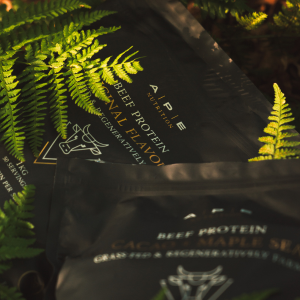

Seasonal living is at the very heart of what it means to be human. Since the beginning of time, it’s not fad diets, biohacking or 20-step optimised morning routines that have sustained us, but simple daily habits rooted in a deep connection to nature.
As we move from Summer to Autumn, the bright, energetic ‘yang’ of the season gives way to a softer, slower rhythm that invites us to find more steadiness and a reconnection to what keeps us centered. Summer is high-energy, and a reflection of our modern lives, while Autumn’s shorter days signal us to shift not only how we eat, but how we live too. It’s the perfect opportunity to bring ourselves back into balance, recover and re-set – so if you’re the type of person who finds it hard to shift from Summer’s high-energy to a slower Autumnal pace, here are a few ways we’re supporting this seasonal change:
Simplifying our morning routine: Autumn is back-to-school and back-to-routine season, and we see it as a time to simplify our routines. Social media might be full of ways to enhance and optimise your morning routine, but sometimes that can just add more stress to the situation. Rather than feeling like you need to add even more to your day, what if you asked yourself what really serves you? Elaborate morning routines have their time and place, but in busy seasons of life, we’re prioritising the simple yet deeply inherently effective things that connect us to the day.
How we’re putting it into practice: Morning sunlight, bare feet on the ground and a cup of bone broth before the day begins.
Morning sunlight within 30 minutes of waking: With less bright sunlight available as we move deeper into Autumn, it’s no secret some people notice a difference in their mood levels. Morning sun is abundant in light waves that support your body’s ability to make energy and shrug off sluggishness, and is vital for triggering a natural boost in dopamine, improving mood, focus and energy for the day ahead. It was easier to get plenty of sun throughout the Summer this year in the UK, but come Autumn, getting your morning sun may need to be more intentional.
How we put it into practice: 5-10 minutes outside within half an hour of waking. We make this easier by stacking it with other habits like drinking a warm glass of water and grounding. If you don’t have time to get outside, looking out of your bedroom window for a couple of minutes or winding down your car window on the way to work all counts towards supporting your mood and energy.
Changing the direction of our energy: Spring and Summer are traditionally the seasons to direct our energy outward, and our ancestors would have done exactly that by foraging, exploring and venturing further afield whilst the days were longer. The transition from Summer to Autumn encourages us to direct more of our energy inward, towards home, family, and our own wellbeing. The modern world is constantly demanding our attention, so we’re taking steps to be more conscious about where we direct it.
How we’re putting it into practice: Being intentional about screens and phones – no phone for the first hour of waking and the last hour before bed, spending more time at home with family and friends deepening our connections, and a few minutes of journaling for daily reflection.
Hydrating – but not with plain water: Summer isn’t the only season to stay hydrated. According to Traditional Chinese Medicine (TCM) late Summer and Autumn are times when the body can become overly dry and dehydrated – and symptoms like headaches, brain fog, constipation and dry skin can all be linked to chronic dehydration. Plain water isn’t always enough to help us feel revitalised, so instead we choose traditional foods like broths, soups, stews and tea to help deeply hydrate and nourish the body.
How we’re putting it into practice: Sipping mineral-rich bone broth every morning before coffee, and cooking soups on repeat.
Supporting sleep and recovery: Spring and Summer are naturally the seasons linked to using energy, whilst Autumn and Winter are all about restoring energy. This doesn’t mean stopping completely, but about taking a different approach to daily habits so we’re repleting and restoring the body, rather than depleting it.
How we’re putting it into practice: Embracing darker nights by using low lighting and candles rather than bright overhead lights, as the sleep hormone melatonin is made primarily in darkness, and adding a scoop of Grass-Fed Collagen to a warm evening drink. Research shows collagen before bed can help reduce night time waking and improve sleep quality.
Here's to a season of simple, sustainable habits that help bring you home to yourself.
The APE Team