











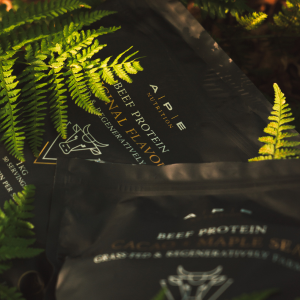

Listen to health podcasts or dive into a little research on protein, and you’ll probably hear the phrase ‘amino acids are the building blocks of protein’, but what does that actually mean, and why are they important?
In this blog, you’ll learn:
-
What amino acids actually are, and the key amino acids you really need
-
What makes a ‘complete protein’ and why it matters
-
The amino acids you need for overall balance, sleep and heart health
-
How protein and collagen can help you get a meaningful dose of important amino acids
What are amino acids?
Amino acids are organic molecules that link together to form proteins. Often called the ‘building blocks of life’. Your body needs 20 different kinds of them to grow, repair tissue, and function properly. Here’s what they’re responsible for:
-
Building proteins
-
Muscle repair and growth
-
Energy production
-
Neurotransmitter production
-
Immune function
-
Good quality sleep
-
Enzyme and hormone synthesis
-
Transporting and storing nutrients
-
Maintaining healthy skin, hair, and nails
-
Supporting metabolism
Amino acids also fall into different groups:
- Essential amino acids
Cannot be made by the body and must come from food. There are 9 in total.
- Non-essential amino acids
Your body can produce these on its own, even if you don't eat them.
- Conditional amino acids
Normally non-essential, but become 'essential' during illness, stress, injury, or other specific conditions when the body can't produce enough.
What is a ‘complete protein’ and why does it matter?
Food that contain all 9 essential amino acids are considered ‘complete’ proteins and give your body what it needs to thrive. Only a few plant-based foods provide all the essential amino acids, whilst animal foods are abundant in them. Some of the richest and easiest for your body to absorb are found in eggs, chicken, beef, seafood and dairy.
Glycine: The underrated amino acid your body is asking for
One of the comments we see the most on social media when it comes to sharing about our grass-fed beef protein or collagen is; “just eat steak”...
We get it; steak is a real food, it’s a great source of protein, and it’s delicious. But if you truly want to support your health, ‘just eat steak’ isn’t the answer. Here’s why:
Why 'just eat steak' isn't the answer
For the entirety of human history, people have consumed the whole animal nose-to-tail. This includes muscle meat, bones, connective tissue, broth and organs, and eating this way ensures we get a perfect natural balance of amino acids. Cutting out the other foods in favour of steak and muscle meat alone means we start consuming excessive amounts of methionine, which gets converted into homocysteine. High levels of homocysteine are associated with cardiovascular disease by accelerating plaque formation, vascular stiffness and blood clotting. Especially if you’re missing key nutrients like folate or B9 (highest in Beef Liver), homocysteine levels can become an issue.
The hero amino acid that helps balance homocysteine levels is glycine. Think of glycine as your body’s natural buffer against the heavy hits of a high-protein diet. Glycine steps in to balance things out by helping your liver clear away that excess methionine before it turns into trouble. It essentially acts like a traffic controller in your metabolic system, safely redirecting homocysteine and converting it into helpful antioxidants like glutathione, which supports immunity, detoxification, and protects your tissues from damage. By keeping this cycle moving smoothly, glycine prevents dangerous spikes in your blood and protects your heart and cellular health.
Glycine is also incredible for:
Sleep: Glycine acts as a calming brain chemical and lowers core body temperature to help you fall asleep faster and feel less tired the next day
Collagen production: It makes up about one-third of collagen, which keeps your skin elastic and your joints, bones, and tissues strong.
Antioxidant Support: It helps your body make glutathione, a major antioxidant that fights cell damage.
Metabolic and Heart Health: It may improve how your body handles insulin, lower the risk of type 2 diabetes, and support heart health.
Muscle and Energy: It helps create creatine, which gives energy to your muscles and helps prevent muscle loss.
That’s why ‘just eat steak’ isn't the answer, and eating nose-to-tail is.
How Protein & Collagen Support Your Amino Acid Intake
So, you know amino acids are important, and why we need good amounts of glycine. Here’s how the APE team get complete proteins and glycine into our diet, and how you can too:
-
Adding a scoop of grass-fed collagen to morning coffee = 2.06g glycine per 10g scoop
Read our Collagen Research Blog to learn about the benefits of daily collagen supplementation for skin, bones, connective tissue, joints, sleep and digestion.
-
Animal-based marshmallows (see our recipe here) = around 3g glycine per 10g gelatine
-
Eating the skin on your pasture-raised chicken = roughly 2g glycine
-
Grass-fed Beef Protein in your breakfast smoothie or post-workout shake to support recovery of your muscles and joints = 4g glycine per 20g serving
Research shows beef protein not only provides amino acids that support muscle recovery, but also contains more glycine and proline, which are relevant to joint, tendon, and connective tissue support. After all, if you want strong muscles, you’ll need strong joints.
-
A cup of nourishing bone broth = 2.10g glycine per 10g serving
Protein powder & collagen aren't here to replace your food - they're made to fill the gaps
We advocate for a food-first approach to nutrition, but we also know that cooking and preparing protein rich meals isn't always do-able when you're heading to work after the gym, or if you simply want a quick top up. Alongside a nourishing whole-food diet, our collagen, beef protein and bone broth can help you get important amino acids and plenty of glycine into your diet. Here's what customers tell us:
“Best of the best! No taste, so easy to incorporate into my routine and amazing skin and nail benefits!” - Bridget B. (grass-fed collagen)
“I started the carnivore diet 18 months ago and instead of going slow and steady I went cold turkey, which shocked my body causing my hair to start falling out and my fingernails were breaking easily. I learnt that collagen would help and since taking it my hair and nails are fantastic!” - Laura B. (grass-fed collagen)
“Have been blown away by the gains since using this protein supplement…” - David R. (grass-fed beef protein)
"This bone broth is delicious. Great flavour and so easy to make. The best I have ever tried." - Dorothy
Try our best selling Raw Cacao & Maple Sea Salt Protein here, or add a scoop of grass-fed collagen to your morning routine here.