










Remember picking strawberries as a kid?
That moment you'd pop one straight in your mouth, still warm from the sun, and it tasted like actual summer.
No washing. No worrying. Just pure, sweet fruit.
Well... here's the bit where we ruin that memory (sorry).
Today, conventionally grown strawberries are one of the most pesticide-laden foods on the planet.
The Environmental Working Group just dropped their 2026 Dirty Dozen - an annual analysis of 54,000+ produce samples tested by the USDA - and strawberries made the list again.
But it gets worse…
This year, for the first time, they found that over 60% of Dirty Dozen samples contain PFAS - so-called "forever chemicals"
And spinach? More pesticide residue by weight than any other food tested. Kale - the poster child of clean eating - had cancer-linked pesticides detected in over half of the samples.
Here's the full 2026 Dirty Dozen 👇

🚨 Buy these organic when you can:
- Spinach
- Kale, collard & mustard greens
- Strawberries
- Grapes
- Nectarines
- Peaches
- Cherries
- Apples
- Blackberries
- Pears
- Blueberries
- Potatoes
The reason these foods get hit hardest is because of their thin skin. There’s no natural barrier to protect against the chemicals… and no amount of washing can make up for it.
Now, the good news is…
Not everything needs to be organic. In fact, buying everything organic is expensive, impractical, and largely unnecessary.
The Clean Fifteen are your low-risk, buy-conventional-and-sleep-fine list.

These 15 items had the lowest amounts of pesticide residues according to EWG's analysis of the most recent USDA data. Buy these conventional and save your organic budget for what matters.
✅ The 2026 Clean Fifteen:
- Pineapples
- Sweet corn
- Avocados
- Papaya
- Onions
- Frozen sweet peas
- Asparagus
- Cabbage
- Cauliflower
- Watermelon
- Mangoes
- Bananas
- Carrots
- Mushrooms
- Kiwi
Here’s the bigger picture…
We talk a lot about the problems with how animals are raised in industrial farming. Factory farms. Feedlots. Antibiotic overuse. Animals that never see sunlight.
But at APE, we've never been about diet camps.
Not Team Meat. Not Team Kale. We couldn't care less what's on someone else's plate.
What we care about is how food is grown - and what that does to the land, the animals, and the people eating it.
Because when you zoom out far enough, you realise the fruit & veg problem and the factory farming problem…
Are the SAME problem.
Industrial food production, chasing yield and profit, cutting every corner nature didn't intend to be cut.
And the solution to both isn't to eat more of one thing and less of another.
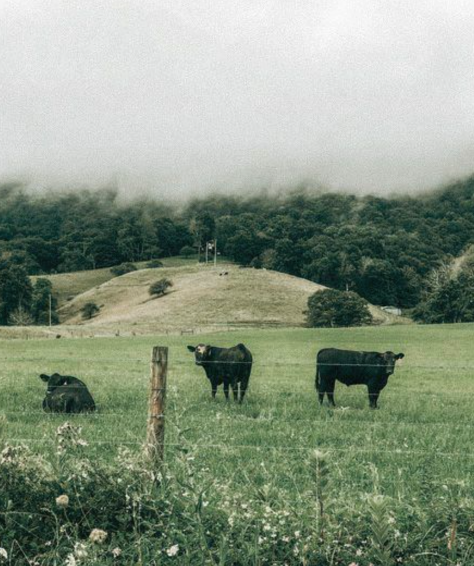
Most people don't realise that animals aren't the enemy of a healthy food system; they're integral to it.
Properly managed livestock build soil health. They cycle nutrients. They make the land more alive, not less. A regenerative farm without animals isn't really regenerative at all.
That's the whole picture. And it's the picture APE has always operated from.
Which is why every product we make is either certified organic or sourced from regenerative farms - because clean food starts long before it reaches your plate.
That goes for steak AND strawberries 🥩🍓
— The APE Team