











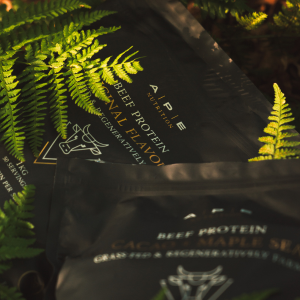

Beef protein is a high-quality source of protein derived from beef and bones, made into a convenient powder form. It naturally contains all essential amino acids, which are known to contribute to the maintenance and growth of muscle mass when consumed as part of a balanced diet and healthy lifestyle. Beef protein is also a source of nutrients such as iron and vitamin B12, which support normal energy-yielding metabolism. For people looking to increase their daily protein intake - particularly if you’re looking for an alternative to dairy-based options like whey or plant based options - beef protein can be a practical and versatile choice.
Beef protein has high bioavailability, meaning it can deliver amino acids rapidly into circulation, which may support quicker recovery and protein synthesis post‑exercise. It also contains other nutrients beef is known for, such as; collagen, gelatine and a variety of vitamins and minerals.
“Great source of highly absorbable protein with minimal ingredients. Exactly what I’ve been looking for. Tastes great too”. - Robert D
We’ve heard so many of you talk about the benefits you’ve already experienced from supplementing with our Grass Fed Beef Protein, but we also know how important it is to share the science and research behind your favourite supplements. By learning about the research around supplementing with Beef Protein, you can feel more empowered to take control of your health and gain a deeper understanding of what you truly need. A growing number of people supplement with protein today, but it’s important to know that not all protein powders are made equal, and that quality really does matter. Let’s dive into Beef Protein, what it’s all about, and how it may support you…
Why Do I Need Protein, And How much?
The amount of protein you require depends entirely upon your unique needs. You likely know that those who are active or trying to gain muscle need more protein, but there are other reasons to increase protein too; from aging to reaching weight loss goals, supporting hormone health and even strengthening the immune system.
The NHS in the UK recommends around 0.75g of protein per kg of body weight per day, however this isn’t necessarily based on optimising your health. Health expert and author of #1 New York Times Bestseller, Outlive: The Science and Art of Longevity Peter Attia MD, explains that his research leads him to believe that amounts up to 2g protein per kg of body weight are more supportive, especially when it comes to building and maintaining muscle mass as we age. How much protein you need is personal to you, but a current general rule of thumb to support optimal health and vitality is to consume around 30g protein per meal. However, as stated, this all depends on body weight and if you're a bigger person you'll likely need more. For example Josh (APE's Founder) weighs 95kg's and is very active so aims to eat more like 190-200g's of protein per day. He splits this across four meals, consuming roughly 50g's per meal. However setting your minimum goal as 30g's can help with an abundance of health issues
What is Beef Protein, and how is it made?
The process of making our Grass Fed Beef Protein is simple; we take the bones with the meat left on them after the butcher cuts have been taken and make this into a broth, which we then dry into a protein rich powder. During production, the protein is carefully extracted and refined to reduce most of the fat and carbohydrates, resulting in a concentrated source of high-quality protein. Protein plays an important role in the body, contributing to the growth and maintenance of muscle mass and supporting normal bone health. This makes beef protein a practical option for those looking to increase their daily protein intake.
Our beef protein powder also naturally contains collagen, a structural protein found in connective tissues. As a component of many tissues in the body, collagen is an important part of overall protein intake, and in a randomised, double-blind, placebo-controlled trial in adults with knee osteoarthritis, subjects received hydrolysed bovine collagen peptides from bovine bone alongside a porcine skin collagen peptide arm and placebo. Participants in the bovine collagen peptide group had significantly greater reductions in joint pain compared with placebo, indicating improved joint comfort and functional outcomes.

Looking for Protein Support?
Non-inflammatory, mixes easily plus, it's packed with micronutrients, collagen, gelatine and 19.26g of protein/serving!
How is beef protein different from whey?
Beef protein and whey protein have both been shown in trials to be effective for supporting muscle growth and fat loss, but the one you choose really depends upon your digestive health and which feels best for you. In an 8-week study involving thirty college-aged, resistance-trained males and females, whey protein and beef protein (BeefISO™) were given to different participants. Here’s what the results showed:
- Beef protein increased lean body mass by 5.7%
- Whey protein increased lean body mass by 4.7%
- Beef protein contributed to 10.8% fat loss
- Whey protein contributed to 8.3% fat loss
What this tells us is that Beef Protein is just as effective as whey protein in supporting lean muscle mass and fat loss, and in this case it’s even more effective. The big difference between the two comes down to digestibility…
Whey protein can cause digestive problems in a significant number of people, mainly because it is derived from dairy. Many individuals have some degree of lactose intolerance, meaning they lack enough of the enzyme lactase needed to properly digest lactose (the natural sugar in milk), which can lead to bloating, gas, cramps, and diarrhea after consuming whey. In addition, some people are sensitive to milk proteins like beta-lactoglobulin, which can trigger mild gastrointestinal discomfort even without a true allergy. Rapid digestion of whey can also contribute to symptoms in sensitive individuals, as it draws water into the intestines and ferments quickly in the gut. Research shows that approximately 65-70% of people worldwide are unable to effectively digest dairy. When we consume something the body can’t digest well, this can provoke an inflammatory response. Beef protein is 100% dairy-free, meaning it may be a suitable alternative for people who experience bloating or discomfort from whey or lactose-containing proteins, whilst still being a complete and effective protein source.
“As someone that struggles with lactose I have always had a hard time finding protein shakes that work with me. Other beef proteins have horrific ingredients but this is pure quality and the taste is outstanding 10/10. Worth every single penny.” - Tee
“I've been using it daily for a month now, and noticed that I get absolutely none of the digestion/gut issues I would typically get with whey protein” - Stuart C.
“No bloating, no discomfort like I've had with mainstream protein powders, and all natural wholesome ingredients!” - Liam

What the research says
Research on Beef Protein clearly shows:
- Supports muscle growth – Protein contributes to the growth of muscle mass.
- Maintains muscle health – Protein helps maintain existing muscle mass.
- Supports bone health – Protein contributes to the maintenance of normal bones.
- Helps Maintain Healthy Energy Levels By Providing Other Key Nutrients
Supports muscle growth
This randomized, double‑blind study found that consuming beef protein isolate (BeefISO) following resistance training led to significant increases in lean body mass over an 8‑week training period, whilst a review of randomized controlled trials found that beef protein supplementation combined with exercise training significantly increases lean body mass and lower‑limb strength compared to no protein supplementation, supporting anabolic and muscle‑building effects of beef protein. Taken post-exercise, further research also shows increased lean body mass and muscle strength; effective for supporting hypertrophy (muscle growth) alongside resistance training.
“Amazing product. I’m using it as part of a stack but my gosh…. My strength has gone up!” - Jay A.
“Was a little sceptical when I first purchased, but have been blown away by the gains since using this protein supplement” - David R
Maintains Muscle Health
As we age, maintaining muscle mass and strength becomes just as important as building it. On average, adults begin losing muscle mass after age 40 at a rate of about 0.5% to 1% per year. Some individuals lose less if they are active and maintain good protein intake, while sedentary individuals may lose more, but it’s clear that over a decade, this could mean a 5–10% loss of total skeletal muscle mass if no interventions like resistance training or consuming supportive amounts of protein are taken. Evidence shows that adequate protein intake in older adults is linked to better preservation of muscle mass and strength, with lower declines in muscle metrics when protein recommendations are met. This randomised, double‑blind trial found that consuming beef protein isolate after resistance training significantly increased lean body mass over time, compared with a carbohydrate control — supporting maintenance and improvement of muscle tissue, whilst this observational study found that beef intake was positively associated with markers of muscle mass and nutrition status in adults aged 60–88, suggesting that consuming lean beef may help older adults preserve muscle tissue.
“What a quality product. I use it daily in my smoothie. As a 57 post menopausal woman, I am proud to say that I am stronger in the gym now than I was in my 30's. I put this down to consistency in my training supported by a nutritious diet and quality supplementation like this grass-fed beef protein.” - Bridget
May Promote Bone, Joint, Skin, Hair & Nail Health
Being a source of collagen, Beef Protein not only supports muscle mass, but it may also help maintain joint, skin, hair and nail health too, since the research points to collagen’s ability to improve skin parameters and potentially improving bone strength. This means that supplementing with it around your workouts helps strengthen and protect your joints, as well as your muscles. Research shows that supplementing with collagen before a workout can improve joint health by reducing activity-related pain, supporting collagen synthesis, and enhancing tendon strength. The type of collagen found in our Grass Fed Beef Protein is hydrolysed, meaning it is broken down into smaller particles, easier to digest, and easier for the body to absorb and put to use quickly, meaning you can supplement with Beef Protein both before and after your workout for maximum support.
Beef Protein isn’t just for workouts though; the collagen component also means it can help support gut health by promoting healing of the gut wall and reducing inflammation. Promising animal studies also show that consistently consuming beef protein can increase levels of beneficial bacteria within the gut, specifically firmicutes and lactobacillus.
“Love this protein! I've been using it for nearly a year now with the collagen! I've noticed a massive difference in my hair and nail growth. Highly recommend! No nasties, super clean and easy on the gut!” - Josephine H
“I was advised by a friend to take the protein to help with my surgery recovery. I cannot recommend this enough, it is now an everyday staple I’ve never felt better” - Sharon B.
Helps Maintain Healthy Energy Levels By Providing Other Key Nutrients
Beef Protein isn’t just a source of protein, but also contains other key nutrients like iron and potassium too. One 20g serving of our Grass Fed Beef Protein contains 7.1% of the RDA for iron in an easy to absorb form, and 3.4% of the RDA for potassium. Iron is essential for delivering oxygen to the body’s tissues and supporting healthy energy levels, whilst potassium is needed for fluid balance, regulating muscle contractions, and heart health. Beef Protein is also a source of B vitamins such as B12, B6, B3 and vitamin B2, which all work together to promote energy, brain function, red blood cell formation, a healthy nervous system and metabolism.
A controlled human study showed that beef protein increases intestinal absorption of both iron and zinc compared with plant (soy) protein, demonstrating that beef‑derived protein can enhance delivery of these key micronutrients — which are involved in immune function and metabolism. Vitamin B12, zinc, and iron are essential micronutrients involved in immune system activity, metabolic processes like oxygen transport and energy production, and healthy physiological function in humans. This is where Grass Fed Beef Protein can really stand out from other types of protein. Being grass fed and able to roam outdoors, the cattle are naturally exposed to greater levels of sunlight, as well as consuming more nutrient-dense plants and greens throughout the year. This large analysis of beef samples from commercial producers found that, on average, grass‑fed beef had higher concentrations of certain minerals including iron, as well as others like calcium, copper, and selenium, compared with grain‑fed beef — highlighting nutritional differences linked to different farming practices.
May Support Healthy Ageing
As we age, it is generally recommended to increase our protein intake to prevent muscle loss (sarcopenia). This higher intake is crucial because the aging body is less efficient at processing protein, meaning for anyone over the age of 50, prioritising protein is key. The British Heart Foundation even recommends that for active seniors or those dealing with illness, protein intake should increase ideally along with strength training. Research from the US shows that only 30% of males and 50% of females over age 71 consume enough protein, and that protein consumption could play a significant role in helping older adults maintain their autonomy and live full, independent, and healthy lives. As a source of naturally occurring collagen, beef protein not only provides a high quality source of complete protein to support healthy aging, but also provides highly bioavailable collagen, which may support the health of joints, bones, skin and connective tissue too.
Research around protein is continuing to grow, and emerging findings show that not only is protein important for everything we’ve mentioned above, but it may also support hormone health, blood sugar balance, satiety and weight management, metabolism, and immune health. You can read more about these other potential benefits of protein in our blog here.

Frequently asked questions
1.) What’s The Best Way To Use Grass Fed Beef Protein?
Beef protein can be used like any other protein. It’s perfect as a post-workout drink, on-the-go snack or even meal replacement. Here are some of the ways we like to use it:
- Whizzed into coffee for a protein boost
- As an on-the-go breakfast blended with milk of choice, seasonal fruit and a healthy fat
- Stirred into yoghurt for a high protein snack
- Mixed with warm milk as a bedtime drink
Here’s how some of our customers use it:
“This is the best tasting protein powder I’ve ever had. I’ve been making it as a hot chocolate with milk and a teaspoon of cocoa powder for a guilt-free hot chocolate in my velvetiser- it’s amazing. No yucky fake taste.” - Sinead
“I mix mine with kefir, add some berries and I have a healthy dessert. Or I add 3 scoops to my morning jumbo oats. Highly recommended!!” - Katre M.
“I love adding the protein powder to our smoothies, pancakes and cookies” - Megan
2.) If I already take the collagen, do I need to take the protein too?
This all depends upon your goals. The beef protein works primarily to support muscle health, aids exercise recovery and muscle building, as well as contributing to your protein intake through the day. The protein does naturally contain collagen, so you may experience some of the benefits of collagen supplementation too.
The collagen is purely 100% hydrolysed collagen, so it gives you a more concentrated dose to support skin, hair, nails and gut health, and may be a little more convenient to mix into your morning coffee without altering the taste at all. So essentially, it all depends upon your needs. Traditionally, we would have eaten a diet really high in collagen which is not common in the modern world today - on that basis, taking both of the products at different times of day or even together helps mimic our ancestral nutrient intake to support optimal nutrition. This is something we do personally.
3.) What are the amino acids in your beef protein? Will it help me build muscle?
Our Beef Protein contains all amino acids, making it a ‘complete protein’. Please see our amino acid breakdown below. Yes, the combination of amino acids present support muscle mass and muscle growth when combined with resistance training. Beef protein also has high bioavailability, meaning it can deliver amino acids rapidly into circulation, which may support quicker recovery and protein synthesis post‑exercise.
“A great step up from Whey protein. Easy on the stomach, pleasant taste and (apparently- as still early days) sublime muscle growth/recovery. Love the product and the ethos behind APE - can not recommend too highly” - Michael R.
“Was a little sceptical when I first purchased, but have been blown away by the gains since using this protein supplement” - David R
4.) How much protein will I get per serving?
Each of our natural flavours provides a slightly different amount of protein per serving. Here’s the breakdown so you can decide how much to use depending upon your protein goals. 1 serving = 3 heaped scoops
Raw Cacao & Maple Sea Salt
- Per serving: 19.88g
- Per scoop: 5.68g
Madagascan Vanilla
- Per serving: 19.26g
- Per scoop: 6.42g
Original Flavour
- Per serving: 19.26g
- Per scoop: 7.7g
“Wow. AMAZING! I'm not a protein shake person. I have hated every one I have ever bought! Sickly sweet and full of rubbish. I was very surprised to find a product that's really CLEAN. This is really nourishing convenient food. But most of all it's absolutely DELICIOUS. Please don’t stop making this!” - Alexandra
“Best protein I’ve ever used. Easily digested, no yucky artificial sweetener taste like most protein powders. No tummy issues, blends nicely into my morning smoothie” - Morgan J
