











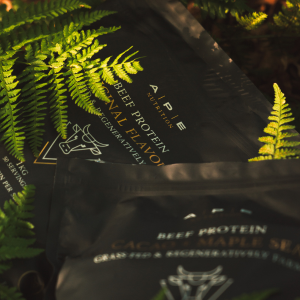

Organ meats are some of the most nutrient-dense foods on the planet, consumed by cultures worldwide for centuries. Research shows organ meats deliver iron, B vitamins, copper, zinc and vitamin A in far higher concentrations than muscle meats. They also rank among the most nutrient dense ‘anti depressant foods’ in studies. Here we’ve answered some of your most frequently asked questions, diving into the research behind these valuable foods.
What are the main nutrients in Beef Organs?
As we’ve discussed, beef organs like liver, heart and kidney contain nutrients such as B vitamins, selenium, zinc and iron and a wide range of trace minerals. Here’s a brief breakdown of a few of the top vitamins and minerals you’ll find in a serving (6 capsules) of our Grass Fed Organic Beef Organs:
- Vitamin A: 265.05mcg (32% RDA)
- B2: 0.25mg (18% RDA)
- B12: 4.05mcg (162% RDA)
- Copper: 0.50mg (50% RDA)
Can I take Beef Organs in pregnancy?
Pregnancy is a very individual and sensitive time, and for this reason, we recommend consulting a trusted healthcare practitioner before taking any new supplements or making big dietary changes. Though none of our supplements are specifically created for pregnancy, we do know that more and more women are choosing to supplement with a low dose (1-3 capsules daily) of our Grass fed Organic Beef Organs to provide a wide range of easily absorbed nutrients throughout pregnancy.
We’d definitely encourage you to do a little research if you’re interested in incorporating nose-to-tail nutrition in your pregnancy. You can also read our nose-to-tail pregnancy nutrition guide here. Another great resource is Lily Nichols’ book Real Food For Pregnancy. This is an excerpt from it regarding organ meats like liver:
“Many women are warned against eating liver during pregnancy because it’s high in vitamin A, but the concern largely stems from old studies linking synthetic high-dose vitamin A supplements—not food sources—to birth defects. Naturally occurring vitamin A in liver is far safer, particularly when consumed alongside vitamins D and K2, which help regulate its use in the body and are also abundant in liver. In fact, liver provides a highly bioavailable form of vitamin A essential for fetal organ development, including the lungs, heart, eyes and kidneys. Deficiency is surprisingly common among pregnant women, even where vitamin A-rich foods are available. When obtained from whole foods rather than supplements, liver offers a balanced, nutrient-dense way to support both maternal health and healthy pregnancy outcomes.”
Overall, we really encourage the consumption of nutrient dense foods in pregnancy, we know many women take the beef organs at this time, but definitely advise checking with your doctor before adding new supplements.
We recommend reading this article by Lily Nichols on liver and organ meat in pregnancy
Can children take Beef Organs?
Research on the National Center for Biotechnology Information (NCBI) and related scientific literature indicates that organ meats are among the most nutrient-dense foods available for supporting pediatric growth and development. Many of our customers choose to support their children’s nutrition with Beef Organs. We recommend opening the capsules and mixing the contents into a smoothie, yoghurt or food (not too hot) to make it easier for them to take. Please ensure it is consumed as soon as possible in order to keep everything as fresh.
Here's a guide to the dosages we recommend:
Under 5 = 1 Capsule per day
5 - 10 = 1-2 Capsules per day
10+ = 1-3 Capsules per day
We also have a blog all about nose-to-tail nutrition for kids here.
Can I stack Beef Organs with other products?
You can stack as many of our products together as you like in a variety of combinations. The only exception to this is with our nose-to-tail products.
Generally we recommend people stack two Nose-to-Tail products daily if they really want to maximise nutrient intake and they don't already eat organ meats as part of their diet. This is based on Weston A Price's guidelines to eat one ounce (28 grams) of liver per day. We use around 15 grams of raw organs to make each serving of our products (6 capsules) so taking 12 per day would bring you in at just over that guideline at 210 grams per week.

See what our customers are saying
"Beef organs have truly been life changing since I have implemented them into my routine. I first started taking them around 9 months ago and instantly noticed a boost in my energy, no more afternoon dips in energy." - Abeigh
Can I replace my multivitamin with Beef Organs?
We recommend consulting a healthcare professional before making changes to your supplement regime, especially if you are also taking medication or dealing with a health condition.
Many customers make a personal choice to replace their multivitamin with our Organic Grass-Fed Beef Organs. This is because they contain a wide range of nutrients that cover many health bases. The nutrients in liver, heart and kidney are all highly bioavailable (easy to absorb) particularly those such as iron, which may not be as bioavailable or balanced in plant or synthetic supplements. Research also shows Beef Organs contain lots of co-factors which means the nutrients complement each other and may help each other to work more effectively.
If you really want to make sure you’re staying on top of your nutritional intake, you may want to additionally supplement with vitamin C, magnesium and vitamin D in the Winter.
“Great way to get a load of natural vitamins and micronutrients - nothing synthetic in these!” - Garaint H.
Key Takeaways
- Highly nutrient-dense: Beef organs (like liver, heart, kidney) provide essential nutrients—especially vitamin A, B12, copper, and iron—often at high percentages of daily requirements in a small serving.
- Pregnancy use requires caution
Some women choose low doses during pregnancy for nutrient support. It’s strongly recommended to consult a healthcare professional first due to individual needs and sensitivities. - Potential benefits for children
Organ meats are considered very nutritious for growth and development, and supplements can be given in small, age-based doses, often mixed into food for easier consumption. - Can be combined strategically
Beef organ supplements can be stacked with other products, but typically limited to two nose-to-tail products daily to align with traditional intake guidelines. - Possible alternative to multivitamins
Many people use beef organ supplements instead of multivitamins because nutrients are highly bioavailable and naturally balanced, though extra nutrients like vitamin C, magnesium, and vitamin D may still be needed in some circumstances.